Elevating Baking Practice with a Structured Recipe Log Book
The process of baking, from the simple joy of weekend cookies to the complex artistry of layered cakes, is inherently iterative. Success often hinges on precise measurements, timing, and nuanced adjustments. While countless recipes exist online and in print, the baker’s own adaptations, notes, and variations are where true mastery develops. A Baking Recipe Log Book is more than a simple notebook; it is a dedicated tool designed to systematize this creative and technical practice, transforming scattered notes into a coherent, personalized reference.
For anyone moving beyond casual baking, the chaos of loose paper, digital notes across different apps, or scribbled margins in cookbooks becomes a significant hindrance. The value of a Baking Recipe Log Book lies in its intentional structure. It provides a consistent framework to record not just ingredients and steps, but crucial metadata: source inspiration, date baked, specific equipment used, alterations made, and detailed outcomes. This turns every baking session into a documented experiment, where failures and triumphs alike contribute to a growing knowledge base.
The Core Characteristics of a Professional Log Book
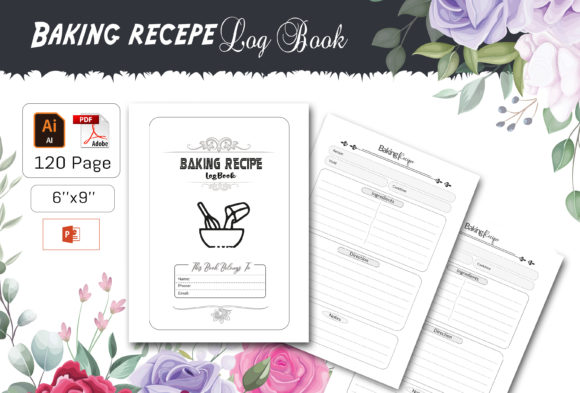
A well-designed Baking Recipe Log Book is characterized by its functionality and flexibility. It typically features uniform entry pages, each prompting the user to fill in key fields. This structured approach ensures consistency, making it easy to compare results over time. The most practical versions include space for:
- Recipe title and original source.
- Date of baking and occasion.
- Detailed ingredient list with precise quantities.
- Step-by-step method instructions.
- Special equipment or tools required.
- A dedicated section for personal notes and variations.
- An evaluation of results, including texture, flavor, and appearance.
- Potential future improvements or ideas for next time.
This comprehensive logging moves baking from a reactive activity to a proactive learning process. For instance, noting that a cake was slightly dense on a humid day creates an environmental factor record. Documenting a successful substitution of almond flour for a portion of all-purpose flour creates a reliable, tested variation for future gluten-sensitive guests.
Assessing Practical Value and Usability
The ultimate test of any tool is its seamless integration into a workflow. A physical Baking Recipe Log Book, placed on the kitchen counter, invites immediate notation while ingredients are still weighed and the oven is still warm. This immediacy captures details that are often forgotten hours later. The act of physically writing can also deepen the reflective process, encouraging more thoughtful analysis than a quick digital entry.
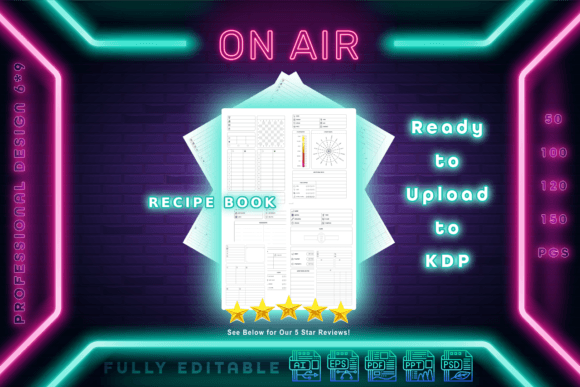
Usability extends to the quality of the physical product itself. A print-ready file formatted for standard 6 x 9 inches ensures the final book is a comfortable size for kitchen use and shelf storage. High-resolution 300 DPI files guarantee clean, sharp text and any graphical elements when printed. The inclusion of both PDF and editable vector files (like AI or EPS) addresses different user needs. The PDF is ready for immediate home, office, or professional print shop use, resulting in a bound log book. The editable vector files, however, unlock significant long-term value.
Flexibility Through Editable Design Assets
The provision of fully editable vector files is a standout feature for a specific audience. For entrepreneurs, small business owners, or creators looking to produce their own branded baking journals, this is a foundational asset. The 100 vector shapes included are resizable without loss of quality, allowing for customization of page layouts, decorative elements, and iconography. The ability to easily change colors means the design can be adapted to different themes or brand color schemes.
This flexibility means the core Baking Recipe Log Book template can serve multiple purposes. A professional baker might use the editable files to create a client-specific log for custom cake orders. A culinary educator could adapt it into a structured workbook for students. A food blogger might utilize the template to produce a polished, printable log for their audience. The inclusion of a Microsoft PowerPoint file further lowers the technical barrier, allowing users without specialized design software to make basic adjustments using a familiar tool.
Who Benefits Most from This Resource?
The utility of a Baking Recipe Log Book scales with the user’s commitment to baking. Serious hobbyists, who bake regularly and seek to improve their techniques, will find it invaluable for organizing their experiments. It helps answer perennial questions like “What did I change last time to make these rolls softer?”
For professionals and small business owners in food preparation—such as cottage bakery operators, pastry chefs, or caterers—the log book transitions from a personal tool to a professional record. It can document batches for consistency in product quality, track ingredient costs per recipe, and serve as an intellectual property log for original creations. The editable nature of the provided files allows these professionals to create a bespoke log that aligns with their business identity.
Content creators, including bloggers, publishers, and food writers, represent another key audience. A well-maintained Baking Recipe Log Book becomes a rich source of authentic content. The documented trials, errors, and successes provide behind-the-scenes material for articles, social media posts, or even the foundation for a future cookbook. Using the template to create a custom log for their community can also be a valuable product or promotional tool.
Real-World Performance and Considerations
In practice, the effectiveness of a Baking Recipe Log Book hinges on the user’s discipline in maintaining it. Its design should encourage, not complicate, the logging process. Templates that are overly ornate or have insufficient space for notes can become frustrating. The described product, with its 120-page count and clean, ready-to-upload files, suggests a focus on utility over superfluous design.
A potential limitation for some users is the preference for digital tools. While a physical book offers tangible benefits, those who desire cloud sync or searchable databases might find a dedicated app more suitable. However, the printable PDF can still serve as a periodic compilation, where digital notes are consolidated into a physical archive at the end of a season or year. Furthermore, the “no bleed” file specification is practical for home printing, as it requires no special trimming equipment, but it results in a final product with plain white margins, which some may find less polished than a full-bleed commercial print.
The long-term value is clear. A diligently filled Baking Recipe Log Book becomes a personal culinary heirloom. It accumulates knowledge that is not generic but specifically tailored to the baker’s equipment, local ingredient availability, and taste preferences. Over years, it evolves from a simple record into a unique cookbook authored by the baker for themselves, capturing their evolving skill and style.
When evaluating if this Baking Recipe Log Book template fits your needs, consider your primary mode of operation. If you value a physical, off-screen tool for reflection and improvement in baking, the ready-to-print PDF offers a straightforward solution. If your goal extends to customization, branding, or creating a derivative product, the bundled editable vector files provide a robust and professional starting point. In both cases, the resource shifts baking from a collection of isolated events to a connected, progressive journey of documented craft.